Applied Anatomy Training for Yoga
From the Central Channel to Āsana
APPLIED ANATOMY TRAINING FOR YOGA
From the Central Channel to Āsana
Two weekends of training:
• 29 and 30 August
• 19 and 20 September
Saturday and Sunday, 10.15 am to 1.15 pm
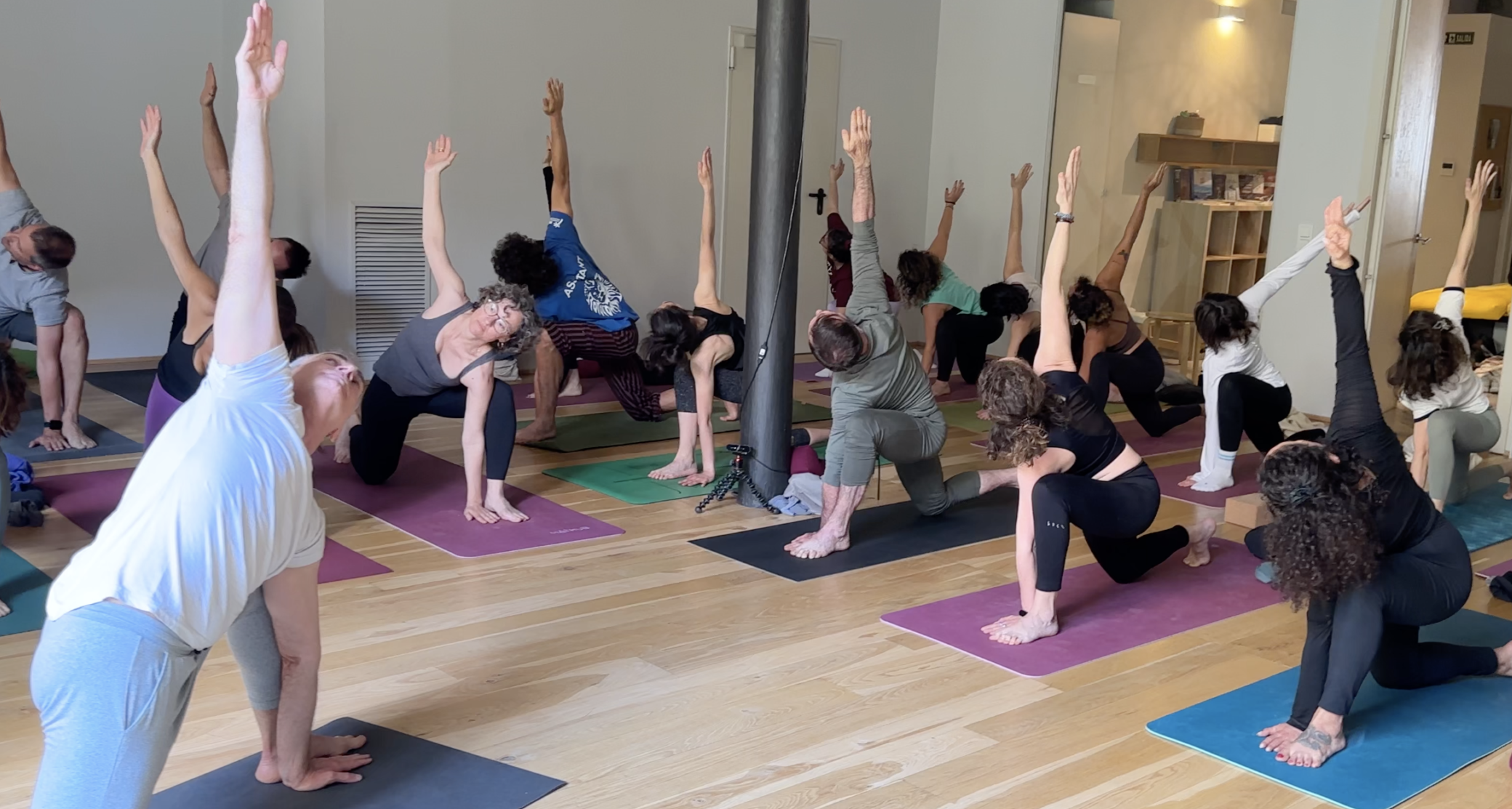
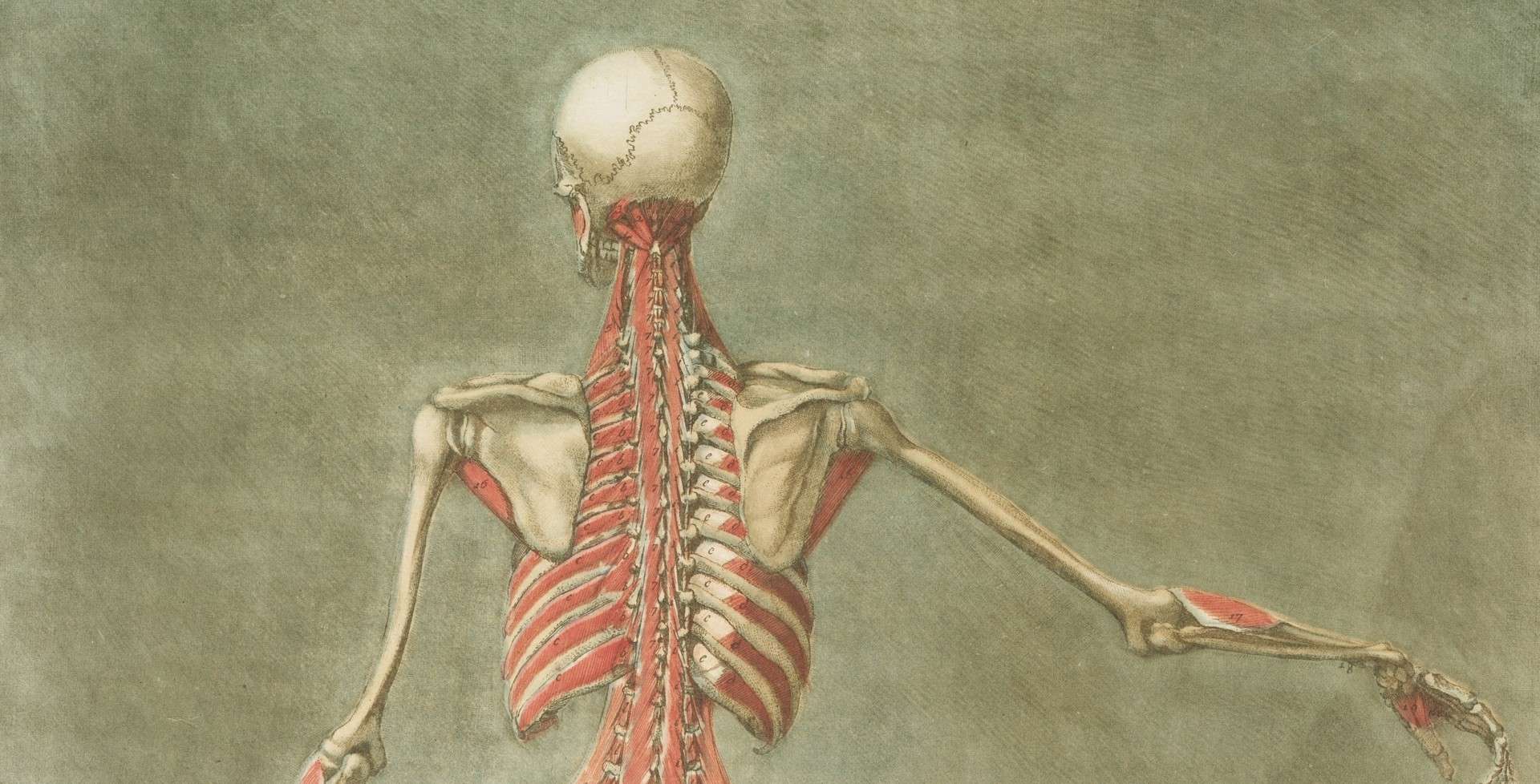
The central channel and the dura mater. Anatomy and physiology of breathing, and how breathing affects the meditation posture. Biomechanics and visceral physiology of forward bends, backbends, twists, lateral bends, hip openers and inversions. Fascia and the role of the tissues in yoga. A physico-energetic understanding of the practice.
29 and 30 August
The central channel and the dura mater
The alignment of the spine and its influence on the energetic flow of the central channel, Suṣumṇā, essential for inner revitalisation and balance.
Anatomy and physiology of breathing, and how breathing affects the meditation posture
We will look at the following connections:
- Shoulder, cervical spine and thoracic spine
- Diaphragm and the thoracolumbar junction
- Lumbar spine, sacrum and pelvis
- Psoas and lumbar spine
Understanding these connections will help us improve our perception of the body and move towards a deeper experience of the anatomy and physiology of breathing.
Forward bends and backbends: biomechanics and visceral physiology
We will look at the following areas:
- Posterior and anterior muscle chains
- Gravity and lines of force
- Different āsana in relation to gravity
- Biomechanics of different forward-bending and backbending āsana
- Visceral influences
- Influences on the nervous system
- Body oscillations
Perceiving the anterior and posterior muscle chains in depth, as well as understanding the reasons behind their tensions and oscillations, will help us identify these tensions more clearly and resolve them with greater ease.
Twists: physiology, biomechanics and visceral physiology
We will look at the following areas:
- Specific characteristics of twists
- Effects of gravity in twisting
- Joint biomechanics of twists
- Limitations in twists
- Visceral influences
- Precautions to bear in mind in twists
We will study twists and their mechanisms in depth, as these are often not fully understood by many practitioners, as well as the emotional relationships connected to their limitations.
Lateral bends: physiology, biomechanics and visceral physiology
We will study:
- Specific characteristics of lateral bends
- Effects of gravity in lateral bending
- Biomechanics and pathology of the intervertebral discs in lateral bending
- Visceral influences
To give greater meaning to lateral bends, we need to understand which muscular and visceral areas are being affected, and how we can use gravity to support this process.
19 and 20 September
Fascia and the role of the tissues in yoga
- What is fascia?
- Components of fascia
- Fascial mechanics
- TCM–fascia relationships
- In vivo videos of fascia
Our aim is to awaken fascial sensations, distinguish them from other sensations and open ourselves to the concept of fascia, so that from this point onwards we can include it in our practice.
Hip openers: physiology and biomechanics
We will study the anatomy and biomechanics of the following joints and structures:
- Hip joint
- Sacroiliac joint
- Pubic symphysis
- Sacrococcygeal joint
- Pelvic floor
- Visceral influences
We want to gain a deeper understanding of the real causes behind tension in the hips and pelvis, so that we have more tools with which to work on them.
Inversions: physiology and biomechanics
We will understand:
- Different pressure patterns in inverted postures
- Effects on the circulatory system
- Effects on the digestive system
- Support points on the skull and their influence on cranial mechanics and the lengthening of the spine
- Different inverted āsana
- Biomechanics of the shoulders in inversions
We will assess the key points of inversions in order to reinforce them where necessary. We will understand their biomechanics so that we can remain in them for longer, safely.
Methodology
All sessions will be supported by PowerPoint, a digital or physical whiteboard for drawing, and the professional 3D anatomy app 3D4Medical, which will offer us a detailed three-dimensional view of the musculature and of the nervous and visceral systems. We will also use the official Skelly app, which will allow us to see the specific movements of each joint virtually and in 3D.
Teacher
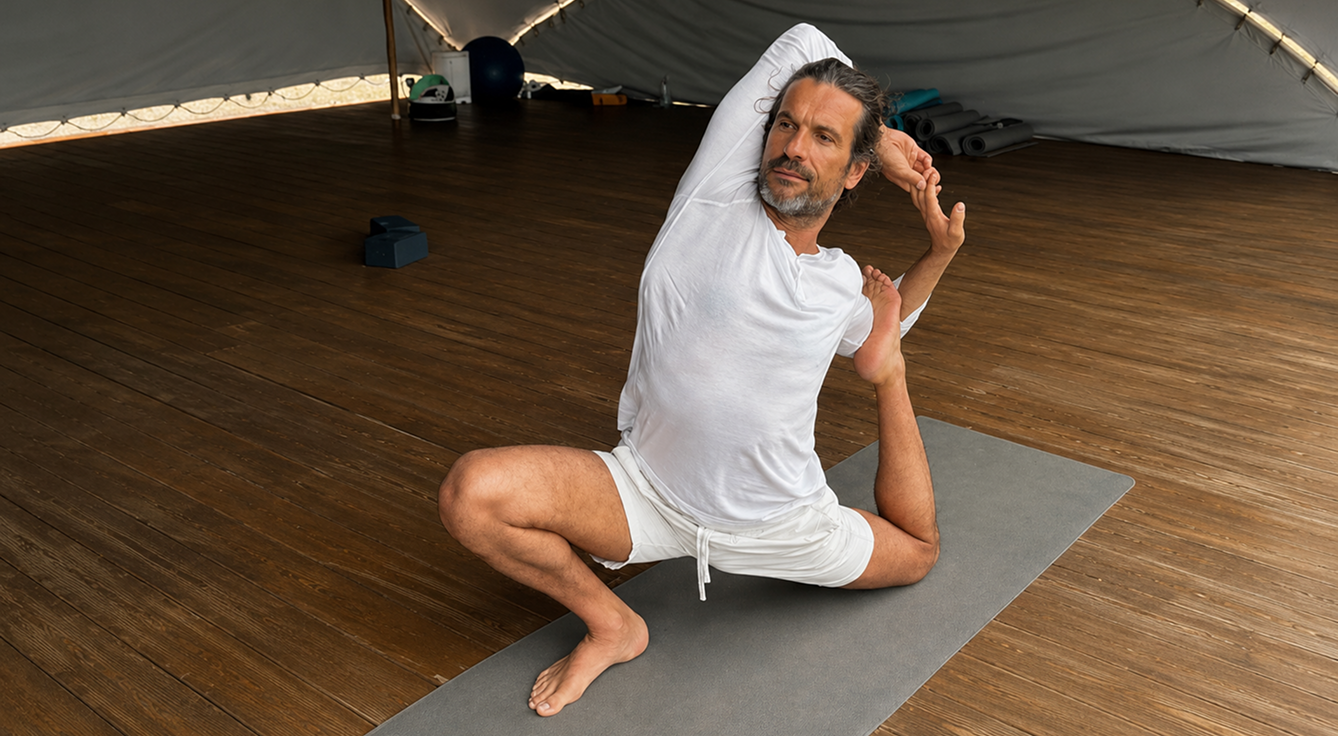
Jordi Mosoll began working as a firefighter at a very young age. This profession awakened his interest in understanding the human body and led him to study Physiotherapy. After years of clinical practice, he expanded his training in the field of Osteopathy for a further six years at the Escola del Concepte Osteopàtic de Barcelona.
Working with people of different ages, as well as with athletes, led him to realise that there were subtle aspects of the body that were not yet fully understood. He began practising yoga and trained as a teacher in the Sivananda tradition in Rudraprayag. He has practised with a wide range of international teachers, studied meditation with Isidro Gordi and taken part in several vipassanā retreats.
He has taught courses in different parts of the world, including Lebanon, Italy, Argentina, Spain, Australia and Taiwan.
Prices
€175 Yogaia students
€190 non-students
One weekend only: €90 / €100
One day only: €45 students / €50 non-students
Registration
- Payment by bank transfer in the name of Yogacoop SCCL:
IBAN: ES48 1491 0001 2920 5876 6425
Please send proof of payment to facturacio@yogaiabcn.org, including your full name, DNI/NIF, the word “Anatomy” and the month, if you are only attending one weekend. - Cash payment at Yogaia reception.
Note
The previous practice, from 8.30 to 10.00 am, is open only to Training students and can be paid for per session at Yogaia (€15). Please contact us.